
If you’re keen on punting american roulette, you’ll want a platform that treats the wheel like what it actually is: a fast, visually noisy game with a built-in house edge. The layout needs to keep the table readable at a glance, the chips distinct, and the pace steady enough that you’re making choices, not just reacting to flashing numbers. We’ve watched the same mechanics play out across slots and live tables, and the principle holds everywhere: art direction that looks polished can still hide a maths problem if the rules aren’t honest on the page. A good operator makes the edge visible, not decorative.
What the table actually asks of you
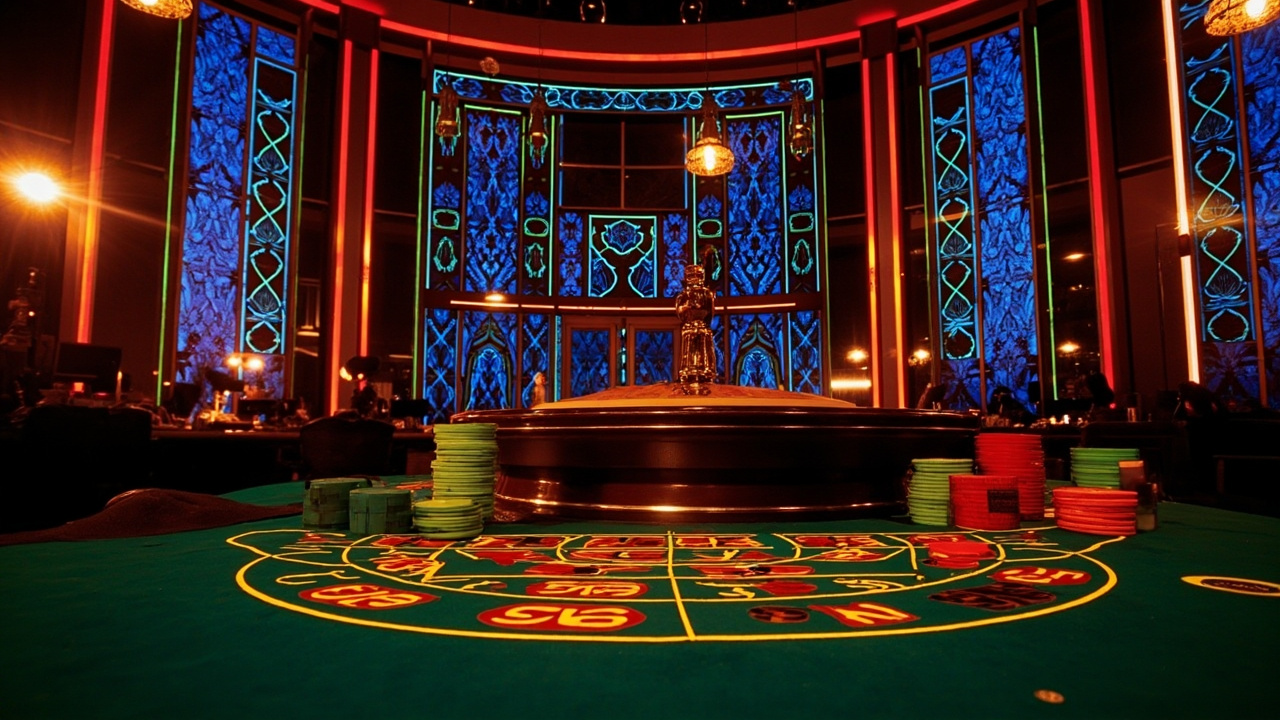
American roulette carries a double-zero pocket, which pushes the house edge to about 5.26% on most straight bets, and that’s the number you’re really playing against rather than any lucky streak. From a design standpoint, the table needs to make those bet types legible without crowding the screen, because confused players make rushed calls and the casino doesn’t mind that at all. We’ve tuned hit-rate displays on video slots where the same lesson applies: if the probability story is buried under glitter, people overestimate their control and the session runs hotter than it should. A clean table layout, clear chip values, and a pace that doesn’t sprint ahead of your thinking are the practical bits that matter.
The spin itself is a sequence of independent events, which is exactly why a tidy interface beats a busy one. When the wheel, the ball, and the betting grid all sit in their own space, you can actually see what you’re staking instead of guessing at a cluttered frame. That’s not glamour, it’s usability, and it’s the same judgment call we make when we decide whether a game’s visual noise is helping the player or just playgoospin.com selling the moment. For anyone punting american roulette, the operator that keeps the maths legible is the one worth your time.Common Roulette Mistakes And Smarter Play
A mate’s guide to starting without the mess
Here’s the simple run-through if you’re new to it and want to keep your head above water. First, set a session limit before you touch a chip, because once the ball is in motion the temptation to chase a number is real and not friendly. Second, pick the outside bets if you want longer play and smaller swings; they pay less but they keep the table readable and the pace manageable. Third, learn the layout by placing small markers on the bets you understand, rather than throwing chips at sections that look busy; the grid is there to be read, not decorated.unibet review honest
Fourth, watch a few spins without betting so you can see how fast the dealer runs and how the table behaves before you commit any money. Fifth, keep your stakes consistent for a stretch rather than jumping around every arvo; consistency gives you something real to judge instead of a blur of outcomes. Sixth, stop when your session limit is done, because the wheel doesn’t owe you a recovery and the maths doesn’t reset just because you’re busy as a bee. If you want a second pair of eyes on the common traps, there’s a short read on common roulette mistakes and smarter play that lays out the usual howlers without the fluff.
How the operator’s table holds up day to day
The practical side is where punting american roulette either feels tidy or starts to grate. The table should load quickly, keep the betting grid sharp on a phone, and let you switch between chip values without hunting through menus, because a slow interface turns a simple bet into a chore. Currency and language need to sit where you expect them, with AUD shown clearly and no surprise conversions hiding in the fine print, and registration should be straightforward enough that you’re not filling in the same detail three times. Payments and withdrawals should use familiar paths and show their limits up front, so you’re not guessing at timing when you want to cash out.
Support matters more than people admit, because a confused bet at the table is one thing and a confused account is another, and the two shouldn’t be tangled together. A loyalty setup can be useful if it’s honest about what it costs, since comps aren’t free – they’re funded by the losses of players overall, which is worth keeping in mind before you treat points like a bonus rather than a rebate on a long session. Mia White, Head of Live Casino at Harbour Bet Insights, puts it plainly: “A roulette table can look generous on the surface, but the real test is whether the edge, the pace, and the payout rules are all visible before you put money in.” That’s the sort of clarity worth looking for, and it’s the same kind of thinking we apply when we judge whether a game’s art direction is serving the player or just dressing up the maths.
| What to check | What it should look like |
|---|---|
| Table layout | Grid and chips readable without zooming |
| Pace | Steady enough to place bets without rushing |
| Currency | AUD shown clearly, no hidden conversions |
| Limits | Deposit, stake, and withdrawal limits visible up front |
| Support | Account and table questions handled separately |
| Comps | Points framed as a rebate, not a free win |
If you want to compare how a platform handles the table, the localisation, and the day-to-day usability before you commit, an unibet review honest enough to call out the rough bits is worth a look rather than trusting the marketing gloss. For players who want a tidy table, clear limits, and an interface that doesn’t get in the way of the wheel, punting american roulette can be a straightforward session rather than a scramble. For anyone chasing a system that beats the double-zero edge, the short answer is there isn’t one, and the longer answer is that the house edge doesn’t care how polished the screen looks.