
Tipping dealers on live casino tables is becoming a normal courtesy for Aussie punters who want a more personal touch. When you are spinning up a session on casino games with tipping dealers, the whole vibe shifts from a screen to a real conversation. This piece breaks down how that dynamic works on the Gold Coast and beyond, with a practical eye on interface, localisation, and everyday usability for adults 18+.
Why tipping dealers changes the live table experience
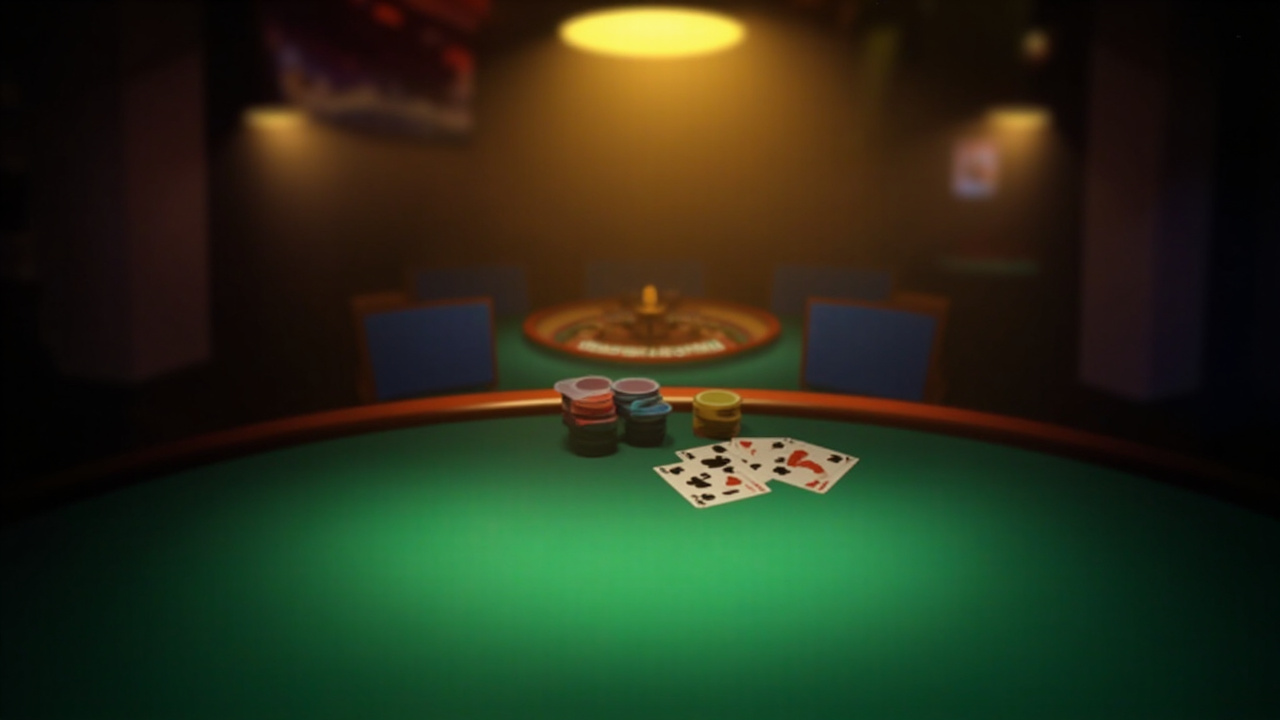
Live dealer tables run on a simple premise: a real person shuffles, deals, and calls the action while you watch through a stream. When tipping enters the mix, the dealer gets a direct signal that you value the interaction, and that can make the session feel less robotic. From a recruitment and operations perspective, I have seen how live-floor staffing models work across iGaming and remote coordination, and the difference between a rushed broadcast and a properly staffed table shows up in response times, chat tone, and how smoothly the hand flow runs. A table that is understaffed or running on a thin roster tends to feel transactional, whereas a well-supported floor keeps the pace steady and the communication clear. That is the same judgement call I make when assessing ATS workflows for high-volume hiring: the process only feels smooth when the people behind it have the bandwidth to actually do the job. tower rush galaxsys
For an Australian audience, the localisation layer matters just as much as the human element. A solid live table should display currency in AUD, use familiar card values and terminology, and keep the visual identity readable on a phone screen during a late arvo session. Navigation should let you move from the lobby to a specific table without hunting through a cluttered menu, and the search function should actually surface tables by game type, stake range, and dealer language rather than dumping you into a generic list. When the interface is organised well, tipping becomes a small gesture within a session you can actually follow, rather than a distraction layered on top of a confusing layout.
How the player experience holds up across the table
The first thing to check is how the table presents itself before you even place a bet. A clear visual identity – consistent colours, readable chip values, and a layout that does not crowd the stream – makes it easier to track the action. Navigation should be straightforward enough that you can jump between blackjack, roulette, and baccarat without losing your place, and the structure should keep the tipping option visible without turning it into a sales pitch. I have reviewed enough remote coordination setups to know that a cluttered interface usually signals a team that has not mapped the user journey properly, and the same logic applies here: if you cannot find the table you want in a few clicks, the session is already working against you.
Language and currency localisation are where a lot of platforms trip themselves up. You want the table to speak in a way that feels natural to an Aussie player – AUD stakes, familiar phrasing, and no awkward translations that make the dealer chat feel stilted. Support should be reachable without digging through three layers of menus, and loyalty features should tie into the same account you are using for the live table rather than forcing you into a separate programme. When I am assessing a platform’s everyday usability, I look for whether the registration flow, mobile layout, and payment options all point back to the same account structure, because that is what keeps the experience coherent when you are switching between games or checking your balance mid-session.
The tipping mechanic itself should be easy to understand and easy to use without interrupting the flow of the hand. A well-built table lets you add a tip as a separate action, shows the amount clearly, and does not confuse it with your bet or your balance. Payments and currencies should stay consistent across the account, so you are not juggling different formats just to send a small gratuity. Registration should be simple enough to get you into the lobby without a long detour, and mobile playback should hold up when you are watching on a phone during a break. If the platform is doing its job, the tipping option feels like a natural part of the table rather than a gimmick bolted onto the side.
“Tipping culture on live tables works best when the platform treats it as a courtesy feature, not a revenue line disguised as engagement.” – Olivia Martin, Strategy Director, Yarra Gaming Lab
“If the localisation is off – wrong currency display, awkward language, or a lobby that does not surface the right tables – the tipping moment never feels natural because the whole session is fighting the player.” – Cooper Wilson, Digital Acquisition Director, Southern Cross Gaming Advisory
Who this setup suits best
This kind of live table setup is a good fit for players who want a social layer on top of the game without turning the session into a performance. If you enjoy the rhythm of a real dealer calling the action and you are comfortable adding a small tip when the table feels friendly and well-run, this model matches that preference. It also suits players who value a clear, localised interface and want to move between tables without relearning the layout each time. On the other hand, if you are purely here for the fastest possible session with no chat and no extras, a tipping-focused live table may feel like more interaction than you want.
- Open the live casino lobby and filter for the game type you want, such as blackjack or roulette.
- Check the stake range, dealer language, and AUD display before you sit down.
- Watch the first few hands to see how the dealer runs the table and how the chat behaves.
- If the pace and tone suit you, place your first bet and keep the layout in mind for the rest of the session.
- Use the tipping option as a separate action when you want to acknowledge a good run, without mixing it up with your wager.
For anyone on the Gold Coast wrapping up a long day and wanting a live table that feels organised and local, the right platform makes the difference between a session you can actually follow and one that feels like a gimmick. Tipping dealers is a small courtesy, but it lands best when the table, the interface, and the account structure are all doing their job properly.